
Can You Fly Internationally with a Private Pilot Licence in Australia?

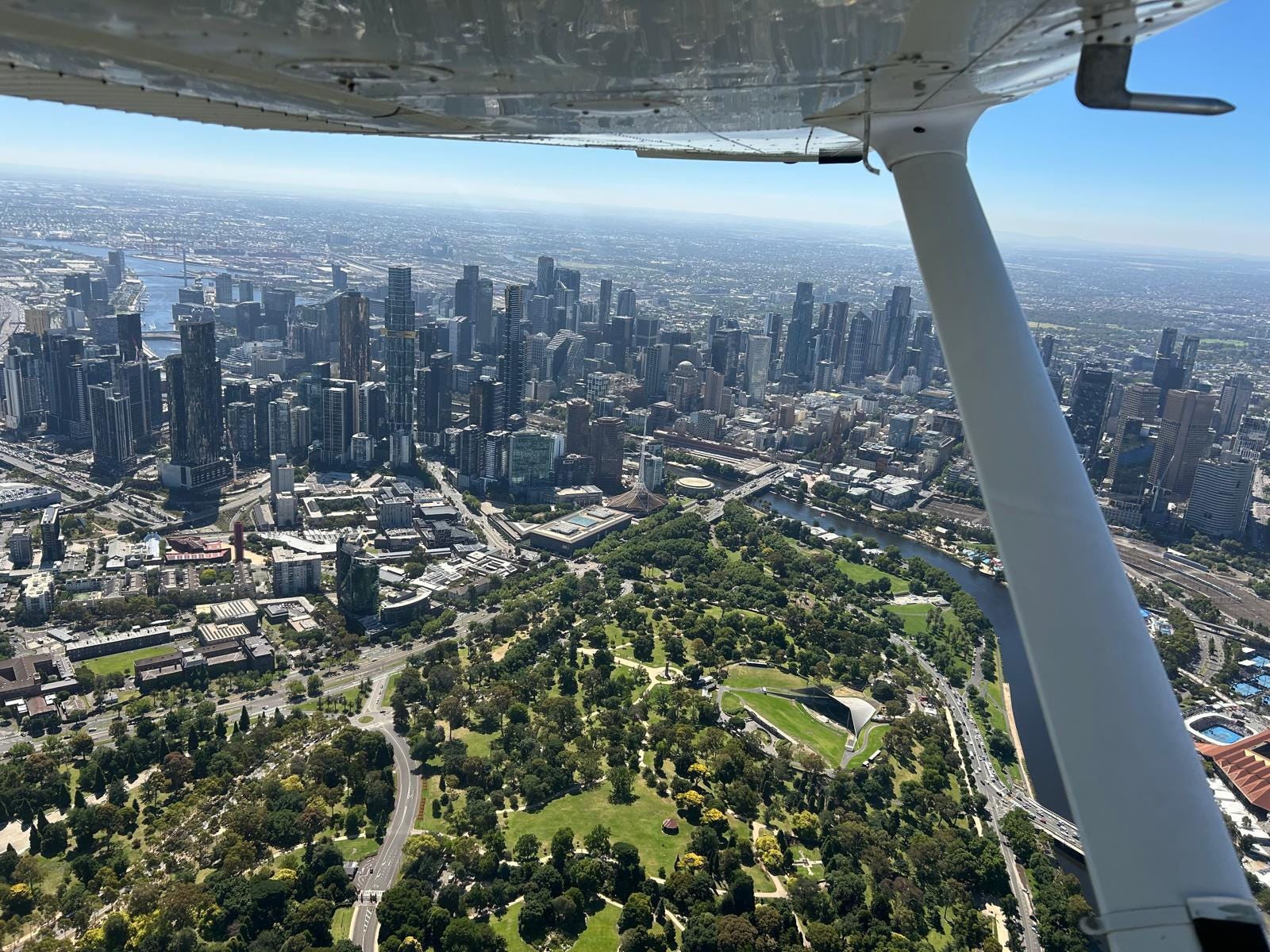
For many student pilots and private aircraft owners, one exciting milestone is the idea of flying beyond Australian borders. But a common question often arises early in training: Can you fly internationally with a Private Pilot Licence in Australia?
The short answer is yes, but with important conditions. While a Private Pilot Licence (PPL) issued in Australia allows you to operate as pilot-in-command of an aircraft for private use, international operations involve additional regulatory requirements, approvals, and planning obligations.
In this article, we break down everything you need to know about international flying with a PPL, including CASA regulations, cross-border procedures, and practical considerations for Australian pilots.
Understanding a Private Pilot Licence Australia
A Private Pilot Licence Australia (PPL), issued by the Civil Aviation Safety Authority (CASA), allows pilots to fly single-engine aircraft for non-commercial purposes. It is a widely recognised qualification under ICAO standards, meaning it can be used as a foundation for international flying.
According to the Civil Aviation Safety Authority, a PPL authorises private operations under Visual Flight Rules (VFR), provided the pilot meets ongoing medical, flight review, and currency requirements.
However, holding a licence alone does not automatically grant unrestricted international flying rights.
Can You Fly Internationally with a Private Pilot Licence in Australia?
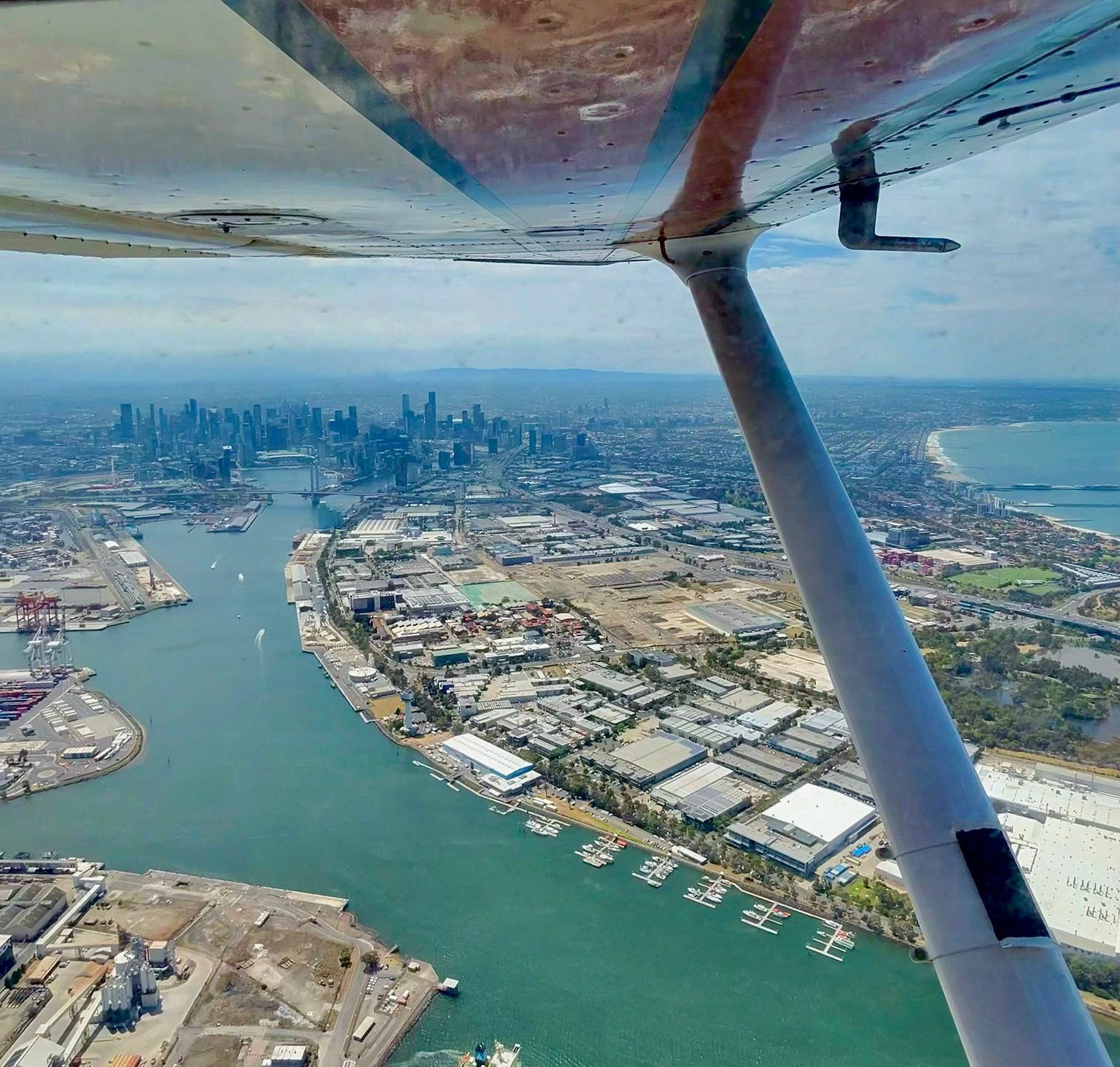
Yes, international flying with a PPL is possible, but it is not as simple as departing Australian airspace. Pilots must comply with both Australian and destination country regulations.
Because aviation is governed globally by the International Civil Aviation Organization (ICAO), licensing is generally recognised across member states. However, each country still enforces its own entry rules, airspace permissions, and operational conditions.
International Civil Aviation Organization standards ensure your Australian PPL is generally valid internationally, but you must still meet:
Flight plan submission requirements
Airspace entry permissions
Customs and immigration procedures
Aircraft registration and airworthiness compliance
Radio communication and navigation standards
So, while the licence is internationally respected, the operation itself is tightly regulated.
CASA Pilot Licence Requirements for Cross-Border Flying
When considering cross-border private flying, CASA requires pilots to ensure compliance with several key obligations before leaving Australian airspace:
Valid Licence and Medical Certification: Your PPL must be current, and you must hold a valid Class 2 medical certificate (or equivalent depending on your operation type).
Flight Review Currency: CASA requires a flight review every 24 months to maintain operational competency.
Aircraft Airworthiness and Registration: The aircraft must be registered, airworthy, and compliant with maintenance requirements under CASA regulations.
Flight Notification and Permissions: International departures require:
o Flight plan submission to Airservices Australia
o Coordination with destination country aviation authorities
o Customs and border clearance (outbound and inbound)
These steps ensure safe and legal entry into foreign airspace.
Operational Limitations of International PPL Flying
While a PPL allows international travel, there are clear limitations compared to commercial operations:
No Commercial Operations Allowed: A PPL strictly prohibits carrying passengers or cargo for hire or reward.
Weather and Flight Rules: Most international PPL flights are conducted under Visual Flight Rules (VFR), which can restrict routes based on weather conditions.
Airspace Complexity: Cross-border flying may involve:
Controlled international airspace
Oceanic procedures
Radar and non-radar environments
This requires strong navigation and planning skills.
Licensing Validation in Other Countries: Some countries may require additional validation or temporary permits before allowing foreign private pilots to operate within their airspace.
Preparing for International Flying as a Private Pilot
If your goal is international flying with a PPL, preparation is key. Here’s what experienced pilots typically focus on:
Advanced navigation and cross-country planning
Understanding international aviation regulations
Radio telephony procedures (especially ICAO phraseology)
Fuel planning and alternate airport selection
Customs and immigration requirements for aviation arrivals
Many pilots complete additional training or mentoring to build confidence before attempting their first international route.
Role of Professional Flight Training in Australia
High-quality training plays a major role in preparing pilots for real-world operations, including international flying.
At Goldwings Aviation Australia, student pilots are trained under structured programs that emphasise real-world decision-making, navigation skills, and airspace awareness from the earliest stages of their journey.
This foundation is critical because international flying is not just about licence possession, it’s about operational readiness, situational awareness, and disciplined flight planning.
What an International PPL Flight Involves
A typical cross-border private flight from Australia may include:
Pre-flight planning and weather briefing
Filing an international flight plan
Departing through a controlled airport like Moorabbin or Essendon
Communication with Airservices Australia and foreign ATC
Customs clearance at departure and arrival airports
Compliance with destination aviation authority rules
Each step must be completed accurately to ensure a safe and legal operation.
Conclusion
So, can you fly internationally with a Private Pilot Licence (PPL) in Australia? Yes, but only if you meet strict regulatory, operational, and planning requirements.
A PPL provides the legal foundation for international flying under ICAO standards, but it does not remove the responsibility of complying with CASA rules and destination country regulations. Proper preparation, currency, and training are essential.
For aspiring pilots, gaining strong foundational skills through structured training is the key to confidently progressing from local flights to international adventures.